
Is Adidas on a generational run, right now?
From sub-2 hours athletes, World Cup winners and finally returning to the African market with a new Nigeria sponsorship, 2026 appears to be the year of Adidas.
2026 London Marathon
You could not write a better story, if you tried.
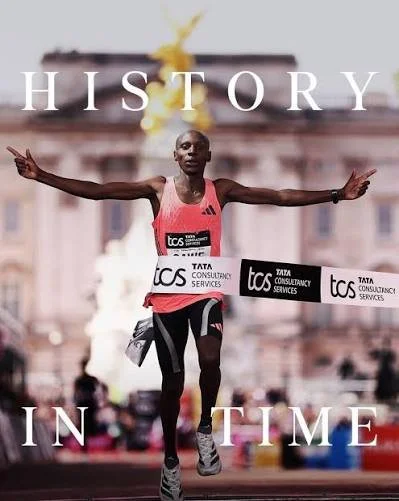
All 3 top athletes at the London Marathon were Adidas athletes.
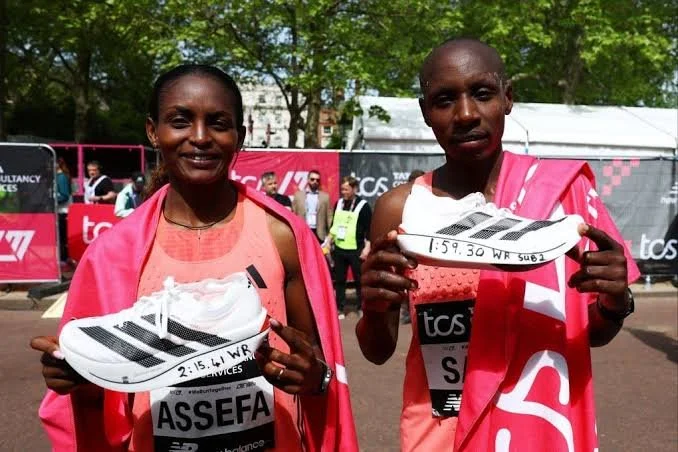
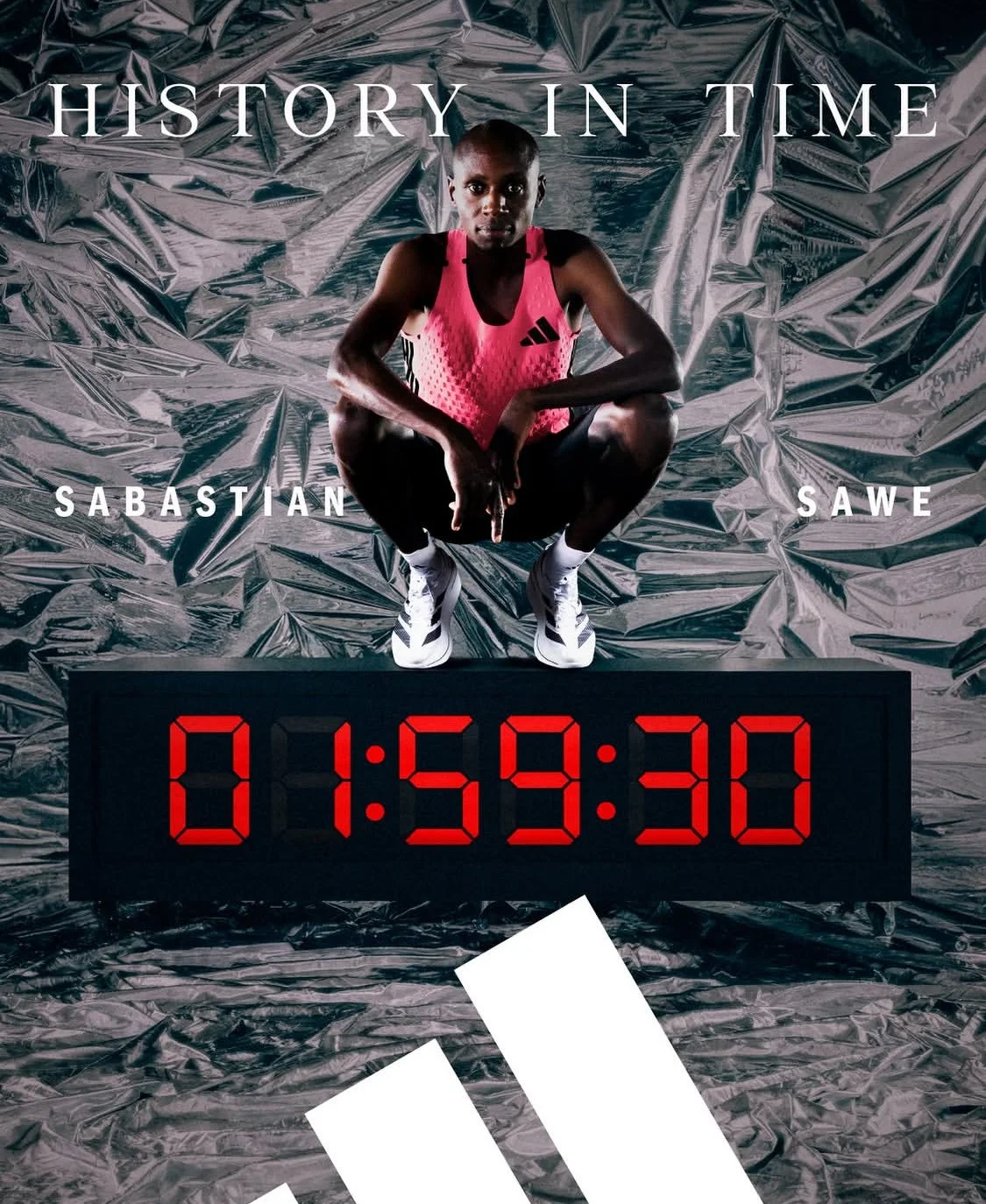
Both Sebastian Sawe of Kenya and Yomif Kejelcha of Ethiopia, who took first and second place in the men’s race respectively, broke the World Record and the sub-2 hour barrier. Sebastian Sawe ran 01:59:30, and Yomif Kejelcha, who was running his debut marathon, ran 01:59:41!
Tigst Assefa, winner of the women’s race, broke the women’s World record at 02:15:41.
All three Adidas athletes achieved these feats wearing Adidas’ Adizero Adios Pro EVO 3.
This was incredible. No marketing plan, no marketing budget and no PR campaign could have achieved this kind of coverage and impact. Unsurprisingly, the shoe sold out within minutes of its pre-order release, despite its £450 price tag.
2026 World Cup
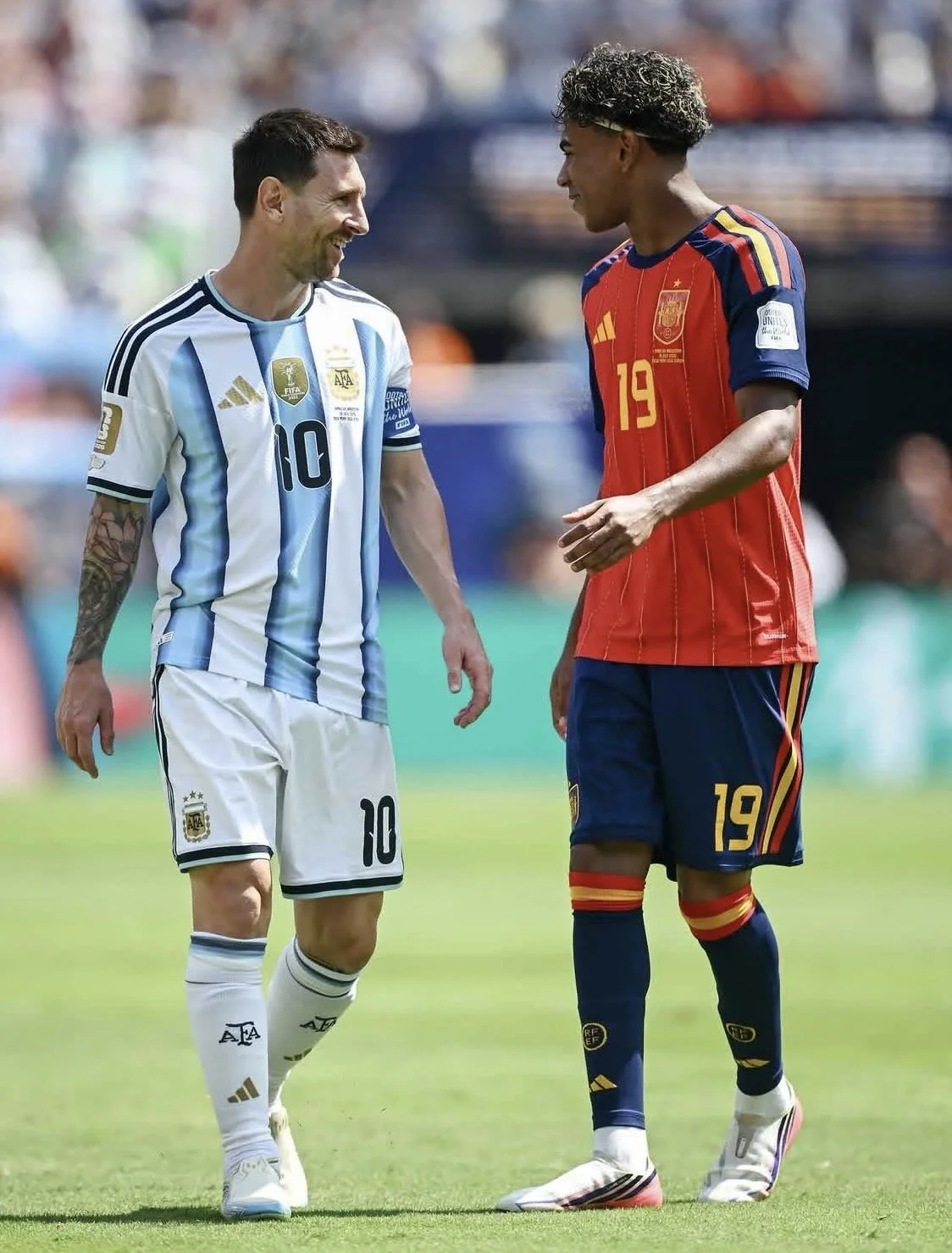
Fast forward to the 2026 World Cup, held across three countries for the first time - Mexico, Canada and the United States - with a 48 teams qualifying for the first time. Yet despite that record number, Adidas sponsored the majority of National Team, with 14, with Nike next up sponsoring 12 team, and Puma with 11.
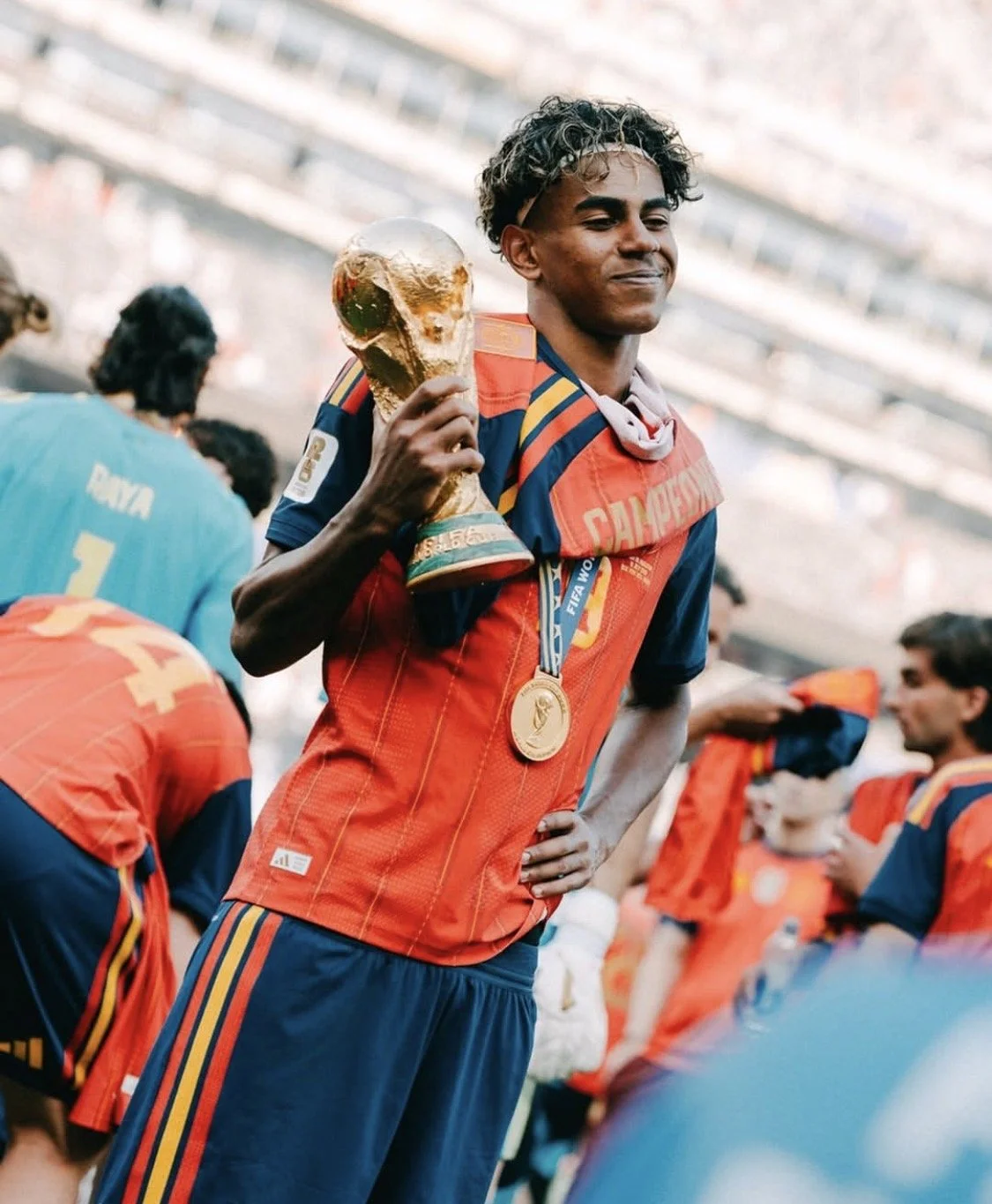
The two teams to make to the final of the tournament were both Adidas teams, Spain and Argentina.
No matter the outcome, the winner would be Adidas.
Nike v Adidas
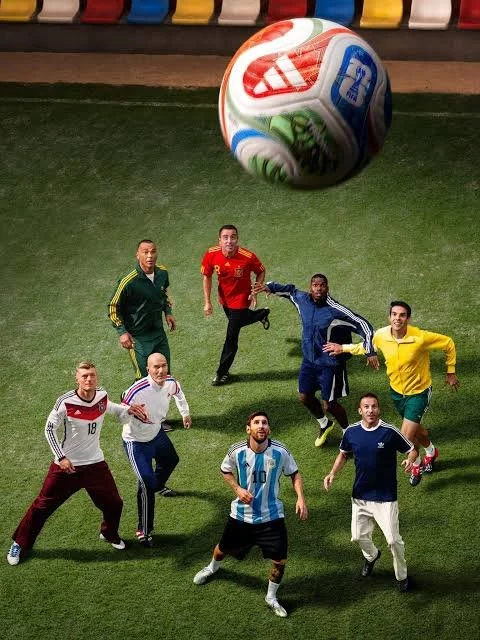
It is widely considered that Adidas had the best World Cup roll out and campaign video, which tapped into the grassroots culture of football, the fans, the excitement that was happening in the streets, rather than the more glitzier celebrity campaign that Nike decided to go with.
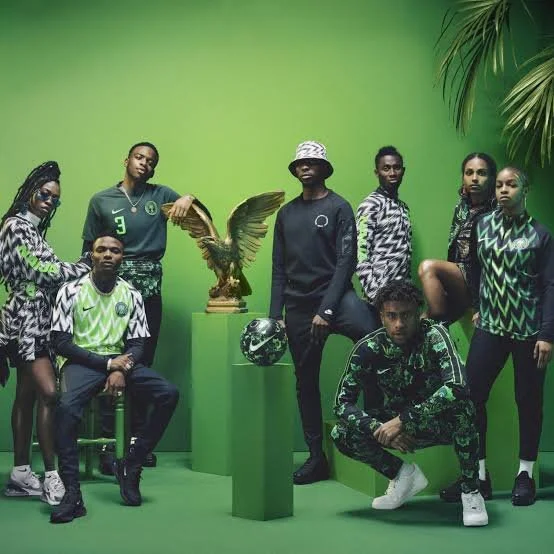
Personally, I have always been a Nike and Converse fan. My collection includes unique Air Force 1s, a classic pair of Air Max 90s and Nike Dunk High Tops, and a variety of Converse All-stars. I have had one or two Adidas Superstars dotted here and there, but I have been impressed by recent designs especially my most purchase, an eccentric leopard print pair, which is beautifully chaotic. But the brand had never been my ‘go-to’. In fact, have always been impressed with what Nike has done in the football space. If we look at Nike’s collaboration with the Super Eagles of Nigeria, for example, it has to be one of the best creative collaborations in recent times.
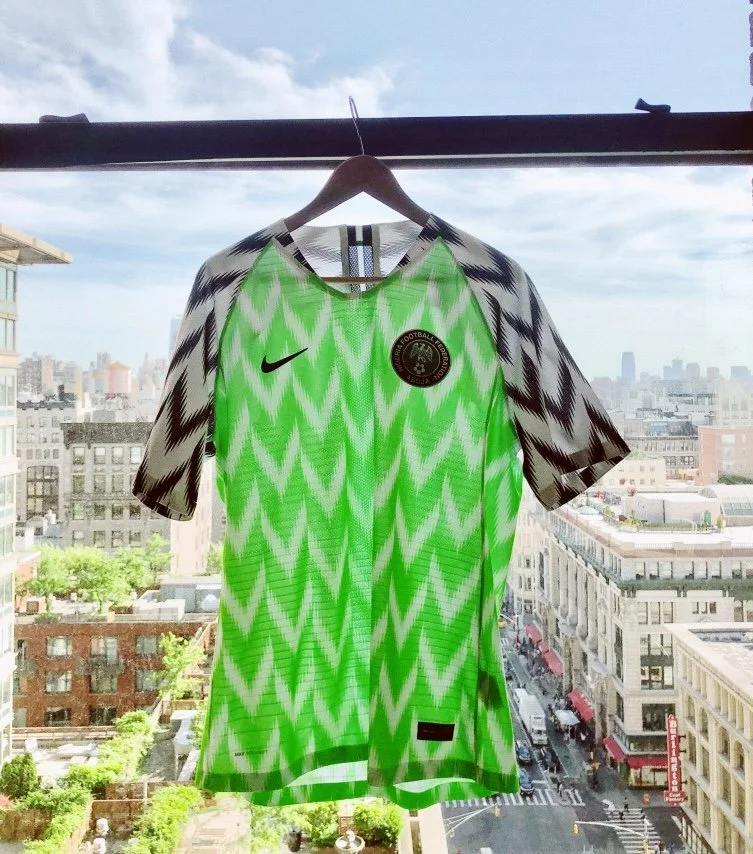
Shirt after shirt, season after season, campaign after campaign, Nike have delivered and taken the Super Eagles’ jersey from a football shirt into a cultural staple. They really embraced Nigerian culture, music, creativity, tapping into some of the biggest stars such as Wizkid, to help them launch their campaigns. The partnership had a huge cultural impact and produced some of the most creative Nigeria jerseys, with the best selling 2018 Home jersey selling over 3 million units.
In fact, I often wondered why more African teams did not have sponsorships with Nike. Clearly the demand and audience is there. The Africa Cup of Nations, the biggest tournament in Africa, breaks records year on year. The most recent edition saw a record 1 million attendees, 2 billion viewers worldwide and 6 billion digital views across social media platforms during the Competition.
Africa also has the youngest demographic in the world, so you would assume that African football would provide Nike the opportunity to get in front of a younger, emerging crowd. Adidas however, until recently, was missing this market completely by not sponsoring a single African National Team.

The Puma Factor
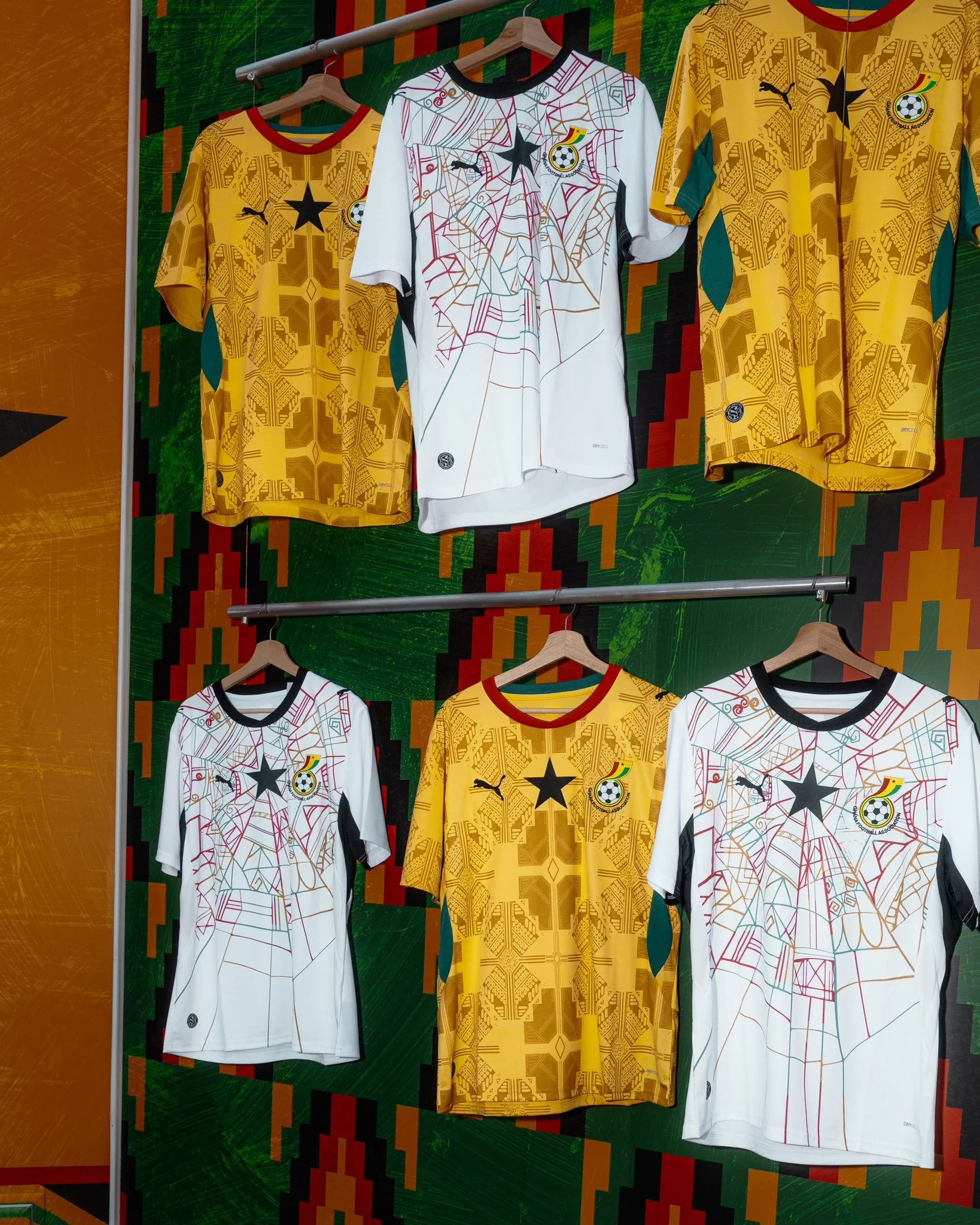
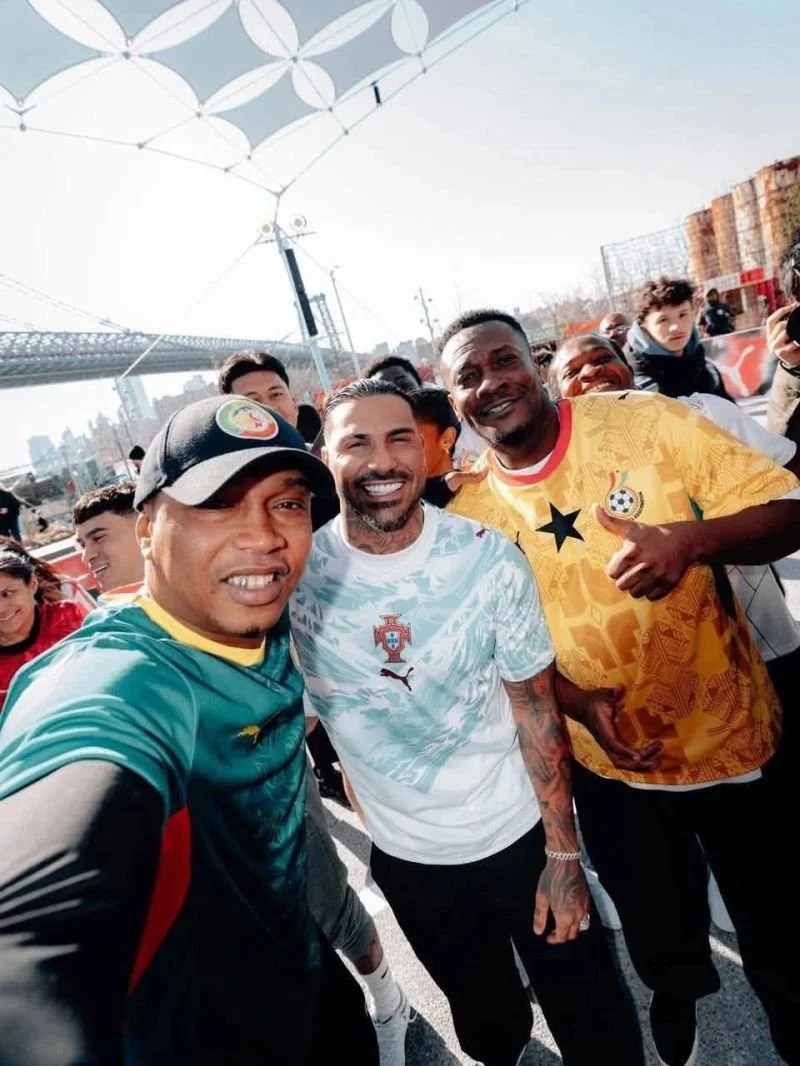
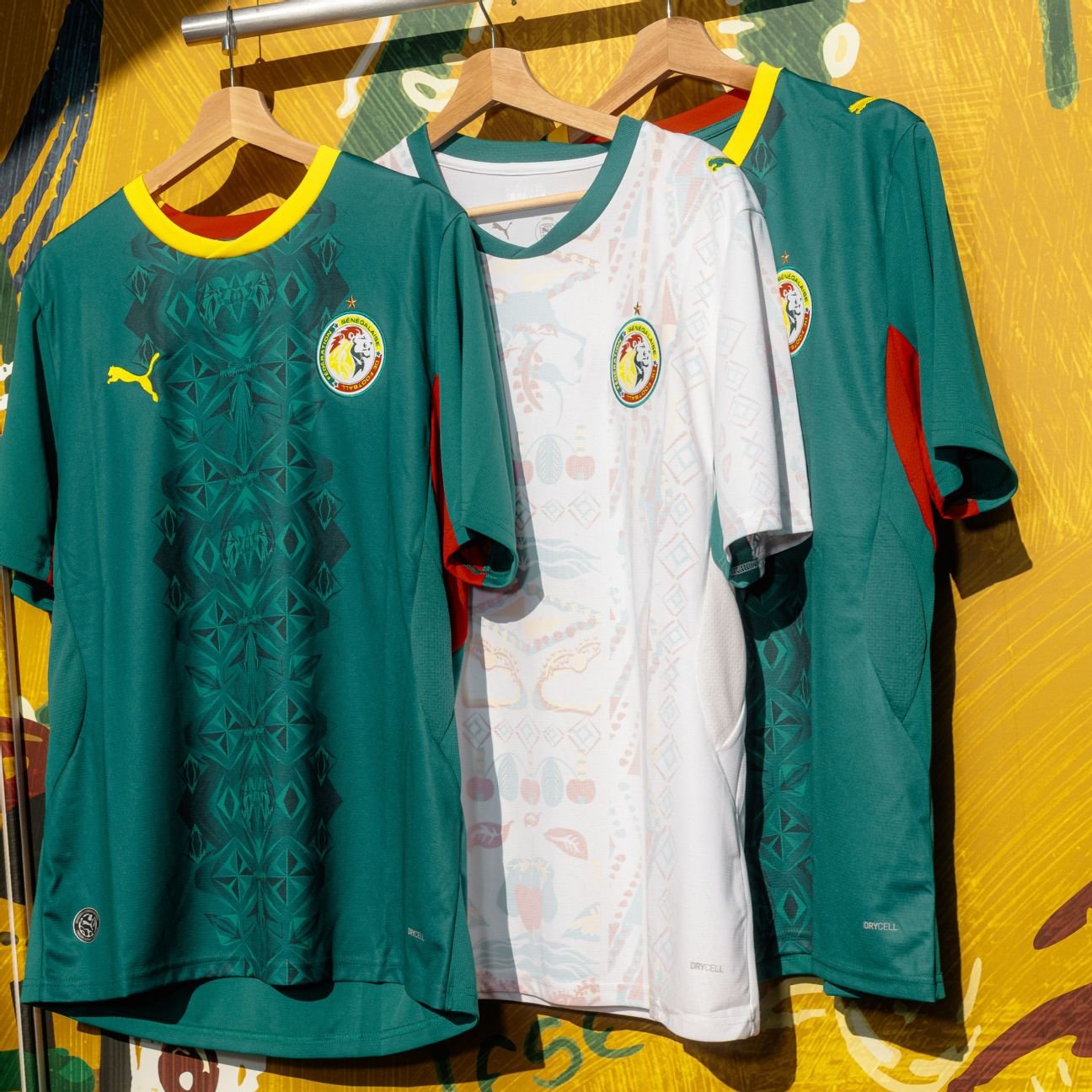
In recent times, it has felt like Puma has dominated the Africa market. In fact at the 2026 World Cup, 5 out of the 10 African teams were Puma teams - Cote’ d’Ivoire, Ghana, Egypt, Senegal and Morocco.
Puma’s designs have felt very lacklustre at times, especially in year 2022-23 (both home and away, but especially the Away!). I wanted designs that brought joy, excitement. I wanted designs that I could wear to a football match and in turn also wear to an event or a concert, or to another sports game.
I have definitely seen significant improvements over the years and a concerted effort by Puma to tap into culture and local creatives to create meaningful designs. The 2025 and 2026 shirts are definitely testament to this, and my collection has grown as a result!
And Ghana’s White Home Kit, a nod to the history of Ananse the Spider and Kente cloth, was voted as the best Jersey of the 2026 World Cup by the New York Times and The Atlantic.
The return of Adidas and the Nigeria Football Federation - the numbers tell the real story
Notably in the past, Adidas had successful stints with Nigeria and Ghana, but in recent times, Puma and Nike seemed to always there, with Nike and Nigeria seemingly the perfect match. There also did not seem to be many partnerships between Adidas and African teams in recent times. These are some of the reasons why it seemed to come as a surprise, when the the outgoing President of the Nigerian Football Federation (NFF) announced that after 11 years with Nike, it had signed a new partnership with Adidas.
Initially, this news felt like a surprise. Why was this decision being taken? Was this the right decision for the Nigerian teams?
Did they not know how influential the partnership has been?
The truth is it came down to business and the numbers. For the last 11 years, the NFF received $500,000 and $1m in kit supply annually from Nike. This was described as now being ‘inadequate to meet the requirements of the federation's national teams’. It is fair to say, $500,000 in 2016 and $500,000 in 2026 are very, very different numbers.
The NFF have described the new deal as the biggest sponsorship deal in African football history. In the new partnership, the NFF will receive the at least $8.5m from Adidas annually:
🇳🇬 $4.5m in cash
🇳🇬 $4m in kit supply
🇳🇬 20% of royalties on merchandise sales in Nigeria
Prior to this, the highest publicly announced sponsorship for an African team was Morocco with Puma at $1.7m, although reports indicate that Senegal’s undisclosed deal with Puma is much higher at $3m.
This new deal is a significant increase on the previous deal, and also crucially provides the NFF with a percentage royalties of merchandise sales which means the final annual figure could be much larger. Ultimately, the NFF are saying ‘listen, we bring cultural equity to the table, that has a price, and you need to pay us accordingly’.
For Adidas, they understand the value and impact of being partnered with Africa’s most populous country.
A winning partnership?
Nigeria's Super Eagles have had a long history - and success! - with Adidas, including:
🏆 1994 Africa Cup of Nations win
⚽ 1994 first World Cup appearance
🏆 2013 Africa Cup of Nations win
So perhaps this partnership may see a return of these successes.
What is clear, is that if this partnership is going to be successful, it needs to be creative, it needs to tap into the creative and cultural scene of across Nigeria, and it needs to speak to the fans. And this new partnership between the NFF and Adidas should usher a new era of sponsorship, where African teams get more equitable and financially viable partnerships and terms.
One thing is for sure, and as the saying goes… Naija no day carry last 🇳🇬!